




What is LED Bin Sorting? Why LED Binning Matters for Commercial Lighting Projects
When you place a bulk commercial lighting order, one of the most‑common complaints from end‑users is inconsistent light color across different lamps. Even if all fixtures are marked with the same CCT value, some look warmer while others look cooler. This problem is mostly related to LED bin sorting.
What Is LED Binning?
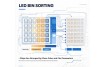
LED chips cannot produce exactly identical light performance after manufacturing. Small deviations exist in color temperature, chromaticity, brightness and voltage even for chips from the same production batch.
LED bin sorting (also called binning) is the classification process. Manufacturers test each LED chip and group chips with very close parameters into the same “bin”. Chips inside one bin deliver consistent light output.
Two main bin factors that influence commercial projects:
1.CCT bin: controls color temperature deviation
2.Flux bin: controls brightness deviation
Why LED Binning Is Critical for Commercial Projects
Poor bin control brings real‑world troubles for contractors, distributors and project owners.
- Unpleasant visual effect: Lamps installed in the same room show obvious color difference, destroying overall lighting design.
- Project rework risk: Large‑scale commercial sites such as offices, retail shops, hotels require uniform lighting. Color inconsistency may lead to product rejection and return.
- After‑sales cost increase: Replacements or supplementary orders often have different LED bins, so new fixtures cannot match old installed stock.
Many buyers only check CRI and CCT on datasheets and ignore bin requirements. This is a frequent procurement mistake. The nominal CCT value does not guarantee consistent color without strict bin selection.
Common LED Binning Pitfalls Buyers Should Know
1.Suppliers use mixed‑bin chips to cut production cost. The datasheet shows ideal parameters, but finished goods mix multiple bins.
2.Supplementary orders use new LED batches without matching original bin code.
3.No bin requirement written in RFQ or purchase contract. Factories follow lowest‑cost bin standards by default.
Practical Tips When You Source LED Lighting
1.Ask your supplier clearly what bin standard they apply for bulk orders. Request bin information on product specification if possible.
2.For high‑end commercial projects, specify tight bin requirements in your inquiry.
3.If you will place repeat or supplement orders, keep records of original LED bin codes for future matching.
4.For sample evaluation, test multiple sample units together to check color uniformity, do not judge from one single sample.
Final Summary
LED bin sorting directly decides color and brightness consistency for mass‑produced lighting fixtures. Parameters like CRI and CCT are important, but bin standard is the hidden key to avoid unpleasant color difference on site. Add bin check into your procurement checklist for commercial lighting projects.
Search Articles
Blog Categories
Latest News
What is LED Bin Sorting? Why LED Binning Matters for...
When you place a bulk commercial lighting order, one of the...

What is LED EMC & Why It Matters for Commercial Lighting...
Many overseas lighting projects face unexpected troubles:...

What Is LED Thermal Management & Why It Determines Lamp...
1.Introduction Many buyers receive returned lamps with short...


